Urban Progress
Urban Progress is a popular city-building simulation game developed specifically for the Indian market, focusing on the unique challenges and opportunities of urban development in India. Released in 2020 by a leading Indian game studio, the game has quickly gained a massive following across the country.
Unlike generic city-building games, Urban Progress incorporates authentic Indian elements, from regional architectural styles to local governance issues, making it highly relatable to Indian players. The game's tagline, "Build the India of Tomorrow, Today," reflects its focus on realistic urban development within an Indian context.
Overview of Urban Progress
Urban Progress places players in the role of a city planner tasked with developing a small town into a thriving metropolis. The game combines elements of strategy, resource management, and urban planning, with a distinct Indian flavor.
What sets Urban Progress apart from other city-building games is its focus on real Indian urban challenges such as population density, traffic management, waste disposal, and balancing traditional values with modern development.
Players must navigate complex issues like land acquisition, regional politics, and cultural preservation while building infrastructure, creating jobs, and ensuring the happiness of their citizens.
Gameplay Mechanics
Core Gameplay Loop
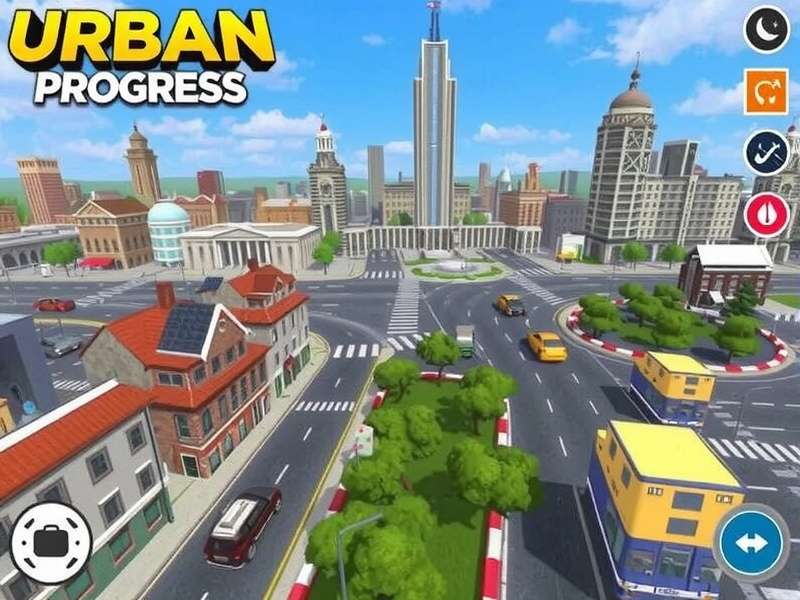
The core gameplay of Urban Progress revolves around a cycle of planning, building, managing, and expanding. Players start with a small plot of land and a limited budget, and must gradually develop their city through strategic decisions.
Each decision in Urban Progress has consequences. Building a new industrial zone might boost the economy but increase pollution. Creating a new residential area could improve happiness but strain existing infrastructure.
Players earn in-game currency through taxes, which can be reinvested into the city. The game features both a campaign mode with specific objectives and a sandbox mode for unlimited creativity.
Resource Management
Resource management is a critical aspect of Urban Progress. Players must balance several key resources:
• Budget - Generated through taxes and fees, used for all construction and maintenance
• Population - Citizens who work, pay taxes, and require services
• Happiness - Affected by services, pollution, and quality of life factors
• Infrastructure - Roads, power, water, and sewage systems that support growth
• Environment - Managing pollution levels and green spaces
Unique Indian Gameplay Elements
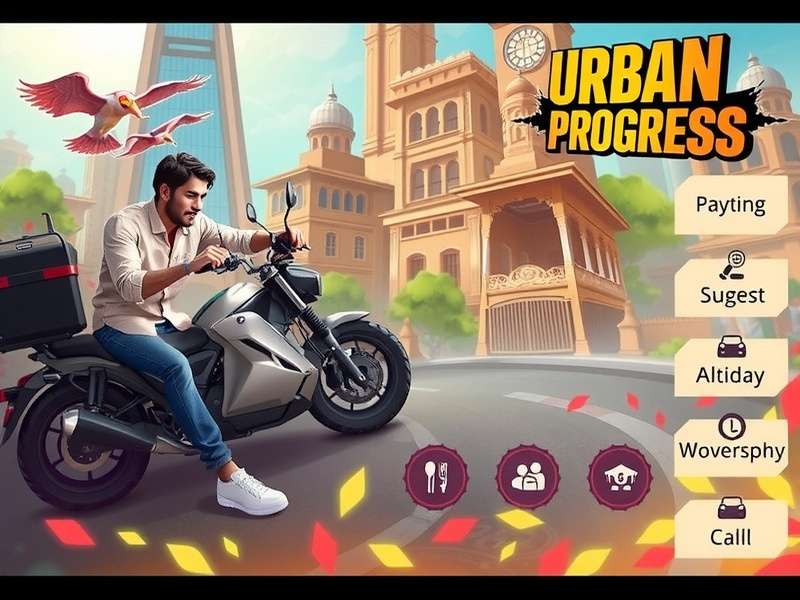
Urban Progress incorporates several gameplay elements specifically designed for Indian players:
• Regional Specializations - Cities can develop specializations based on Indian economic activities like IT hubs, textile industries, or agricultural markets
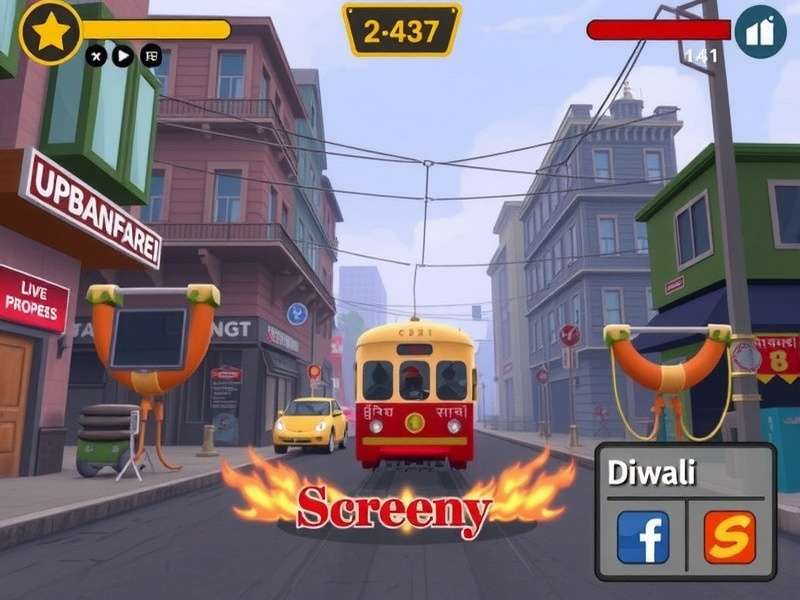
• Festival Events - Managing city logistics during major Indian festivals like Diwali, Holi, and Durga Puja, which brings unique challenges and rewards
• Public Transport Systems - Special focus on Indian-style public transport including autorickshaws, local trains, and metro systems
• Heritage Preservation - Balancing modern development with preservation of historical sites and cultural landmarks
Key Features of Urban Progress
Indian City Customization
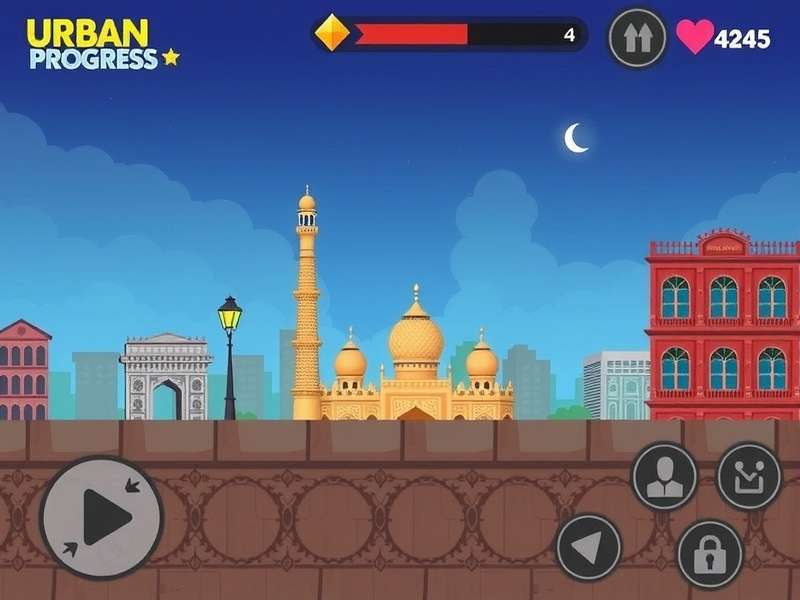
Urban Progress offers extensive customization options that allow players to create authentic Indian cities. From choosing between North Indian and South Indian architectural styles to incorporating regional elements like bazaars, temples, and local markets, the game celebrates India's diversity.
Players can build iconic Indian structures such as forts, ghats, and regional style temples. Residential areas can be designed to reflect different Indian housing styles, from Punjab's kuccha houses to Kerala's traditional homes.
Weather and Seasonal Effects
Urban Progress features dynamic weather systems that impact city management. Monsoon seasons bring flooding challenges, while summer heatwaves require efficient water management and cooling centers.
These seasonal effects add a layer of realism and strategy, forcing players to plan for India's diverse climate conditions. Successful management of seasonal challenges earns players special rewards and boosts citizen happiness.
Multiplayer and Social Features
Urban Progress includes robust multiplayer features that allow players to collaborate or compete with friends. Players can visit each other's cities, trade resources, or collaborate on regional projects like highways or power grids.
The game also features a social feed where players can share their city achievements, participate in challenges, and showcase their urban planning skills to the wider Urban Progress community.
Local Governance Simulation
Unique among city-building games, Urban Progress includes a detailed local governance simulation. Players must interact with virtual municipal corporations, manage political relationships, and navigate bureaucratic processes that mirror real Indian urban governance.
This feature adds depth to the gameplay, requiring players to balance political considerations with urban development goals. Successfully navigating these systems unlocks special permissions and funding for major projects.
Download Statistics in India
📊 Urban Progress Download Metrics in India
• Total downloads: 50+ million across all platforms (as of October 2025)
• Monthly active users: 8.2 million
• Most popular states: Maharashtra, Karnataka, Tamil Nadu, Delhi, Gujarat
• Platform distribution: 78% Android, 22% iOS
• Average daily playtime: 42 minutes per user
• Demographics: 62% male, 38% female; 18-35 age group forms 73% of player base
Urban Progress has consistently ranked among the top 10 simulation games on both Google Play Store and Apple App Store in India since its launch. The game saw its highest download surge during the 2023 Diwali season, with over 3 million downloads in a single week.
The game's popularity is particularly strong in urban areas, but it has also gained significant traction in tier-2 and tier-3 cities, resonating with players' aspirations for better urban infrastructure in their own communities.
Player Reviews and Ratings
Urban Progress maintains an average rating of 4.5/5 on Google Play Store and 4.7/5 on Apple App Store, based on over 2.3 million reviews from Indian players.
"Finally, a city-building game that understands Indian cities! The way they've incorporated our festivals and local challenges makes Urban Progress so relatable. I especially love managing my city during monsoons!" - Rajesh K., Bangalore (5 stars)
"As someone working in urban planning, I'm impressed by how accurate Urban Progress is. It captures the real challenges we face in Indian cities. The attention to regional details is amazing!" - Priya M., Mumbai (5 stars)
"Urban Progress is addictive! I've been building my dream version of Kolkata for months now. The multiplayer features let me collaborate with my friends from different cities to create connected urban networks." - Sourav B., Kolkata (4 stars)
"The learning curve is a bit steep, but once you get the hang of it, Urban Progress is incredibly satisfying. I love how my decisions have real consequences, just like in real city planning." - Aisha S., Hyderabad (4 stars)
Criticisms from players primarily focus on occasional server issues during peak times and requests for more regional content for specific states. The development team has been responsive to feedback, regularly releasing updates based on player suggestions.
Localization and Regional Versions
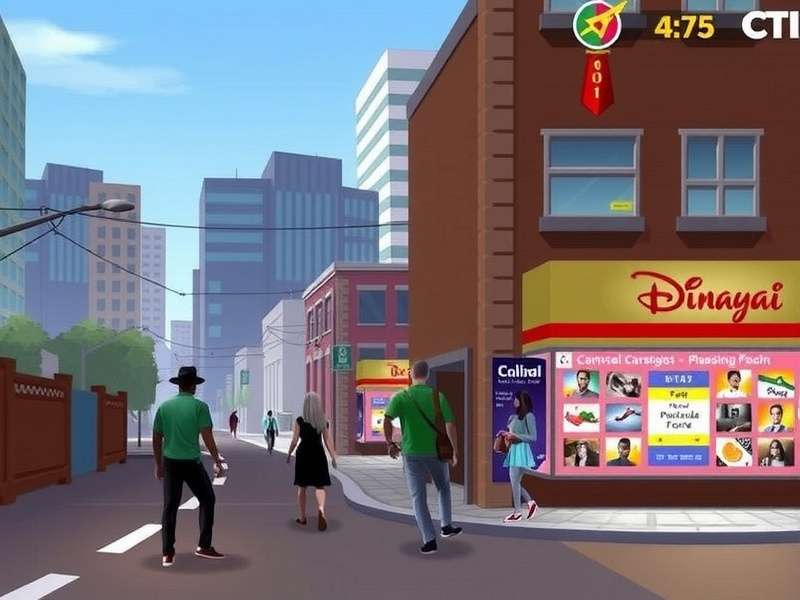
Urban Progress stands out for its extensive localization efforts, making it accessible to players across India's diverse linguistic landscape. The game currently supports 11 Indian languages in addition to English.
Language Support
• Hindi
• Bengali
• Telugu
• Marathi
• Tamil
• Gujarati
• Urdu
• Kannada
• Malayalam
• Punjabi
• Odia
Regional Content Differences
Beyond language support, Urban Progress offers region-specific content that changes based on the player's location or chosen region:
• Northern India - Features Punjabi and Hindi cultural elements, Mughal architectural influences, and challenges related to the Indo-Gangetic plain
• Southern India - Includes Dravidian architecture, South Indian festivals, and unique water management challenges
• Eastern India - Focuses on Bengali culture, riverine city challenges, and managing monsoon effects
• Western India - Incorporates Gujarati and Marathi influences, coastal city dynamics, and drought management
• Northeastern India - Features unique tribal architecture, hilly terrain challenges, and biodiversity conservation elements
This regional customization ensures that Urban Progress feels authentic to players across India, regardless of their location.
Indian Player攻略 (Player Strategies)
Beginner Tips for New Players
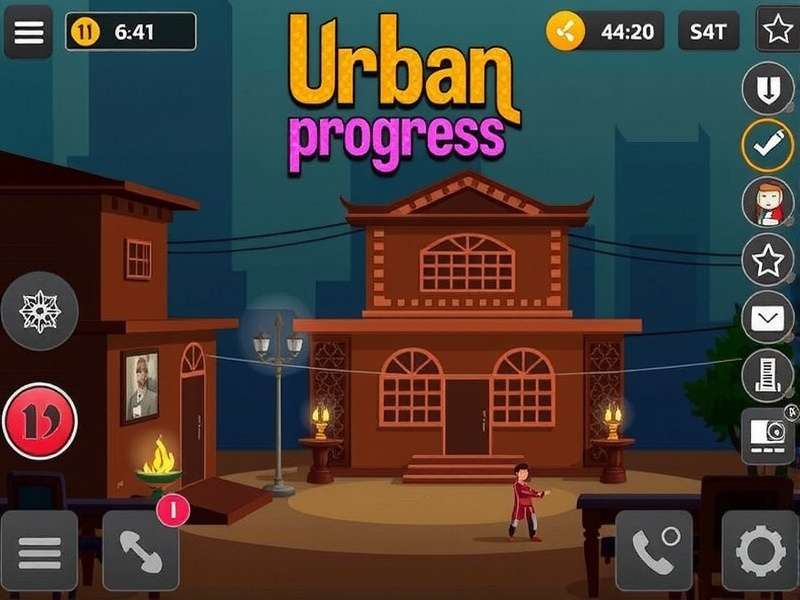
Indian players of Urban Progress have developed specific strategies that work well within the game's Indian context:
1. Prioritize Water Infrastructure - Indian cities often face water scarcity, so new players should focus on building efficient water supply systems before expanding residential areas.
2. Plan for Festivals Early - Start preparing for major festivals at least 2-3 in-game months in advance. This includes increasing security, arranging temporary markets, and ensuring proper waste management.
3. Develop Mixed-Use Zones - Following the pattern of many Indian cities, creating mixed commercial-residential areas reduces commuting time and increases citizen happiness.
4. Invest in Public Transport - Efficient public transport is crucial for managing Indian city traffic. Start with buses and auto-rickshaw stands before moving to more expensive options like metro systems.
5. Balance Traditional and Modern Elements - Preserving cultural landmarks while developing modern infrastructure provides happiness bonuses and attracts tourism.
Advanced Strategies for Experienced Players
Seasoned Urban Progress players in India recommend these advanced strategies:
• Create Satellite Towns - To avoid overcrowding in your main city, develop smaller satellite towns connected by efficient transport links.
• Specialize Based on Region - Leverage regional strengths (e.g., IT in Bangalore-style cities, textiles in Ahmedabad-style cities) for economic bonuses.
• Implement Waste-to-Energy Systems - Indian cities face significant waste management challenges; converting waste to energy solves two problems at once.
• Develop Vertical Housing - As land becomes scarce, shift to vertical development with proper planning for amenities and open spaces.
• Build Regional Corridors - Connecting multiple cities in a region creates economic synergies and unlocks special bonuses.
Localized Events and Promotions
Urban Progress regularly hosts India-specific events that align with the country's cultural calendar, keeping the gameplay fresh and engaging for local players.
Festival Special Events
• Diwali Bonanza - Annual event featuring special lighting decorations, fireworks displays, and market expansion opportunities. Players can earn "Lakshmi Coins" to unlock exclusive buildings.
• Holi Celebration - Event where players manage color festival celebrations, balance crowd control with citizen enjoyment, and earn special Holi-themed decorations.
• Ganesh Chaturthi Special - Players organize Ganesh festival celebrations, manage processions, and create temporary pandals to boost city happiness.
• Pongal Harvest Festival - Agricultural focused event where players balance urban development with supporting rural farming communities.
Government Initiative Collaborations
Urban Progress has partnered with several Indian government initiatives to promote awareness through in-game events:
• Swachh Bharat Mission - Special cleanliness drives and waste management challenges with rewards for achieving cleanliness targets.
• Digital India - Events focused on building digital infrastructure, promoting e-governance, and connecting rural areas with high-speed internet.
• Smart Cities Mission - Collaborative events where players can recreate and improve upon real smart city projects from across India.
Community and Player Discussions
The Urban Progress community in India is highly active, with millions of players engaging through various platforms to share tips, showcase their cities, and discuss game updates.
Social Media Presence
• Facebook Groups - Over 200 regional and language-specific Facebook groups with combined membership exceeding 1.5 million players.
• WhatsApp Communities - Thousands of local WhatsApp groups focused on Urban Progress strategies and multiplayer collaborations.
• Instagram - Popular platform for sharing screenshots and timelapse videos of city development, with the official account boasting 2.3 million followers.
• YouTube - A vibrant community of Urban Progress content creators, with top channels amassing over 1 million subscribers.
Player Competitions
Regular competitions keep the Urban Progress community engaged:
• City of the Month - Monthly competition where players submit their best city designs for community voting.
• Urban Challenge League - Competitive league where players face identical scenarios and compete for the highest scores.
• Regional Development Cup - Teams from different Indian states compete to develop the most efficient regional network of cities.
Developer-Community Interaction
The Urban Progress development team maintains regular interaction with the Indian player community through:
• Monthly live streams in multiple Indian languages
• Regional player advisory councils that provide feedback on new features
• Community-driven content creation contests where winning designs are incorporated into the game
• Annual Urban Progress meetups in major Indian cities
Future Updates and Roadmap
The developers of Urban Progress have announced an ambitious roadmap for the coming year, with several India-specific features planned:
• Expansion of regional content to include more specific cultural elements from smaller states and union territories
• New disaster management features focusing on cyclones, floods, and heatwaves common in different parts of India
• Enhanced rural-urban connectivity mechanics reflecting India's unique urbanization patterns
• Integration of more Indian public policies and their impact on urban development
• Virtual reality mode for selected high-end devices, allowing players to explore their cities in immersive 3D
• Collaboration with more Indian cities to allow players to recreate and improve upon real urban spaces
Conclusion
Urban Progress has revolutionized the city-building game genre in India by offering an authentic experience that resonates with local players. Its combination of realistic urban planning challenges, cultural accuracy, and engaging gameplay has earned it a special place in the hearts of millions of Indian gamers.
By incorporating India's diverse cultural elements, regional challenges, and development aspirations, Urban Progress has transcended being just a game to become a platform where players can imagine and create the future of Indian cities.
With its active community, regular updates, and commitment to reflecting Indian urban realities, Urban Progress is poised to remain one of India's most popular mobile games for years to come.